Preventing Hot No-Start on your D2 or P38 – The Crank Position Sensor Heat Shield.
Prefer to watch instead of read? The full video walkthrough is right here — give YouTube a second to wake up. For everyone who'd rather just read the meat, scroll on.
As the go-to specialists for keeping Land Rover Discovery 2s alive and thriving, we've diagnosed and fixed several no-start conditions over the years. The most common cause? Crankshaft Position Sensor (CkPS) failure. It's a small part that plays a massive role in your engine's operation, and when it goes, you're often left stranded with a tow bill and a hefty repair.
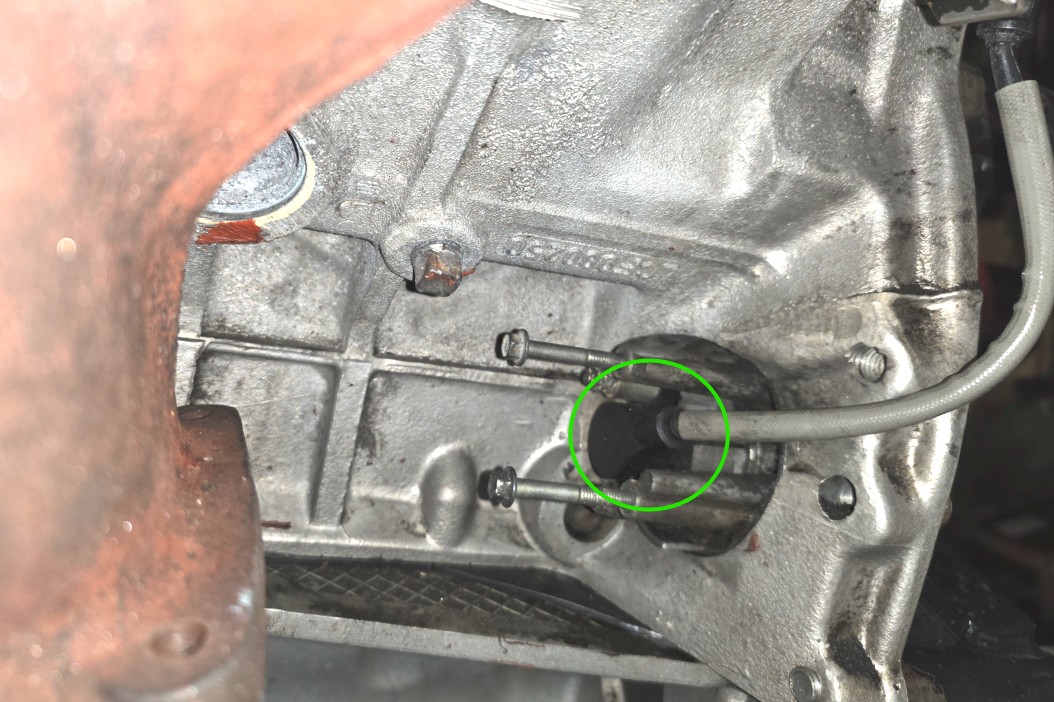
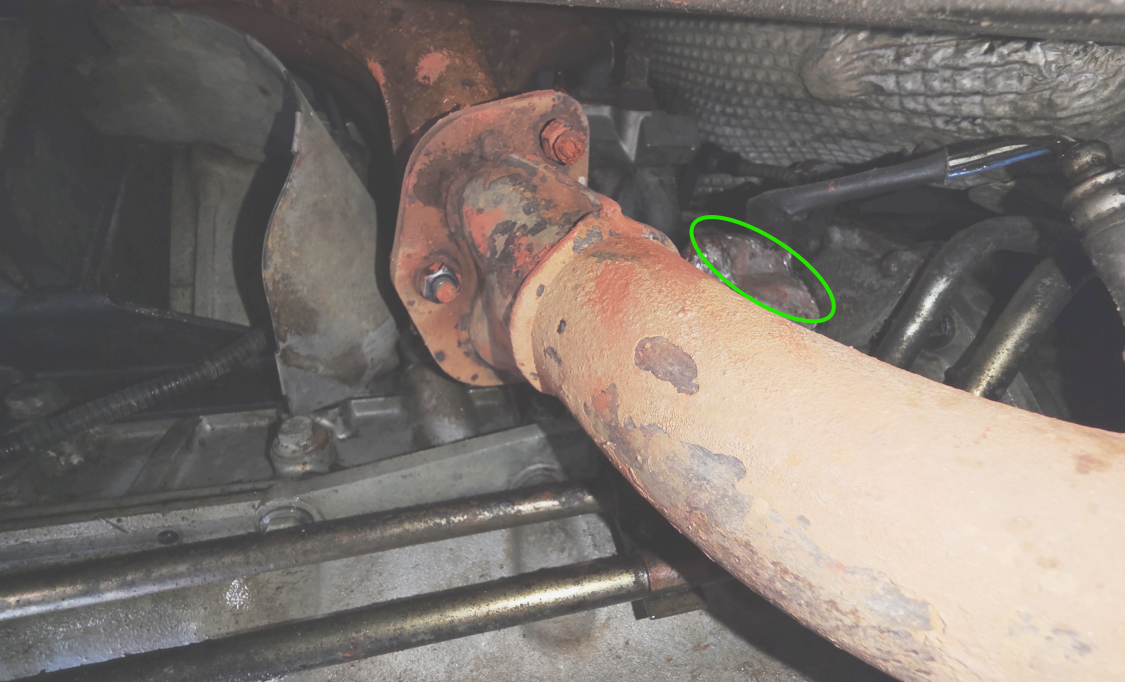
The root cause almost always traces back to heat damage from the nearby exhaust manifolds. The CkPS is tucked down here next to the oil pan, and is close to the exhaust manifolds an catalytic converter.
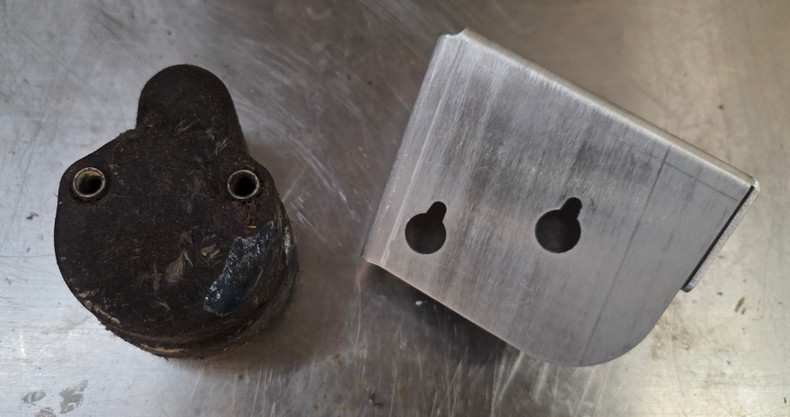
Land Rover put a small fiberglass heat shield over the sensor from the factory. The shield was meant to protect the sensor, but in real-world use, it simply doesn't hold up.
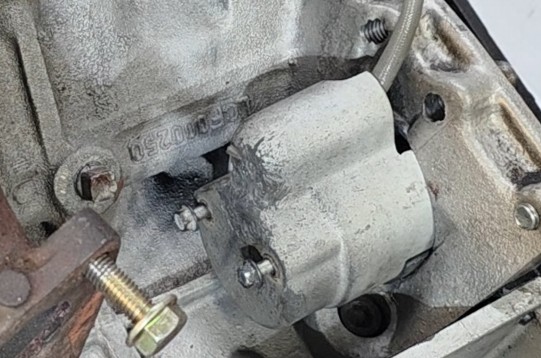
That's why we're excited to launch our new Aluminum CKPS Heat Shield Cover —a simple, bolt-on upgrade that provides lifelong protection without the degradation issues of the original.
Understanding the Heat Problem: Why Your CKPS Fails (In Everyday Terms)
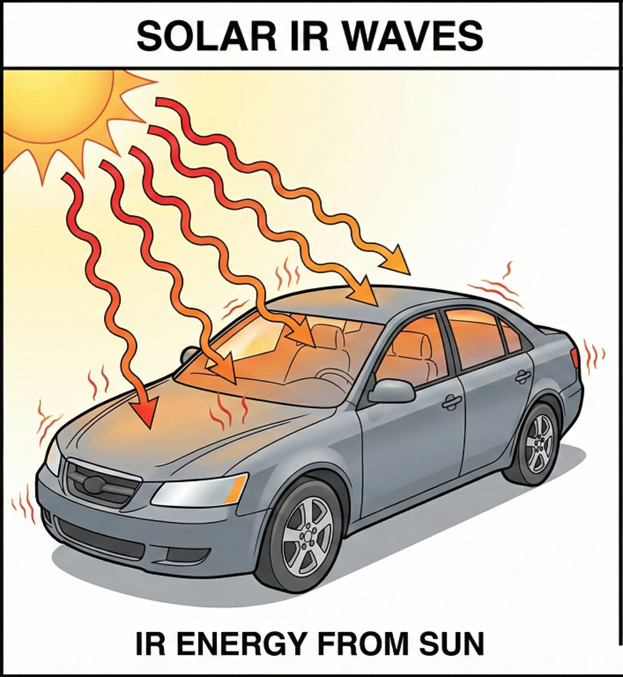
Imagine holding your hand a few inches above a hot stovetop or near a campfire. You feel the intense warmth instantly—even though you're not touching anything. That's radiant heat at work: invisible infrared "rays" shooting straight out from the hot surface, just like sunshine heating up the inside of your car on a cold day.
Your Discovery 2's exhaust manifolds and catalytic converters get extremely hot (500-800 degrees), and they sit right next to the CKPS. They blast the same kind of radiant heat directly at the sensor and its factory shield.
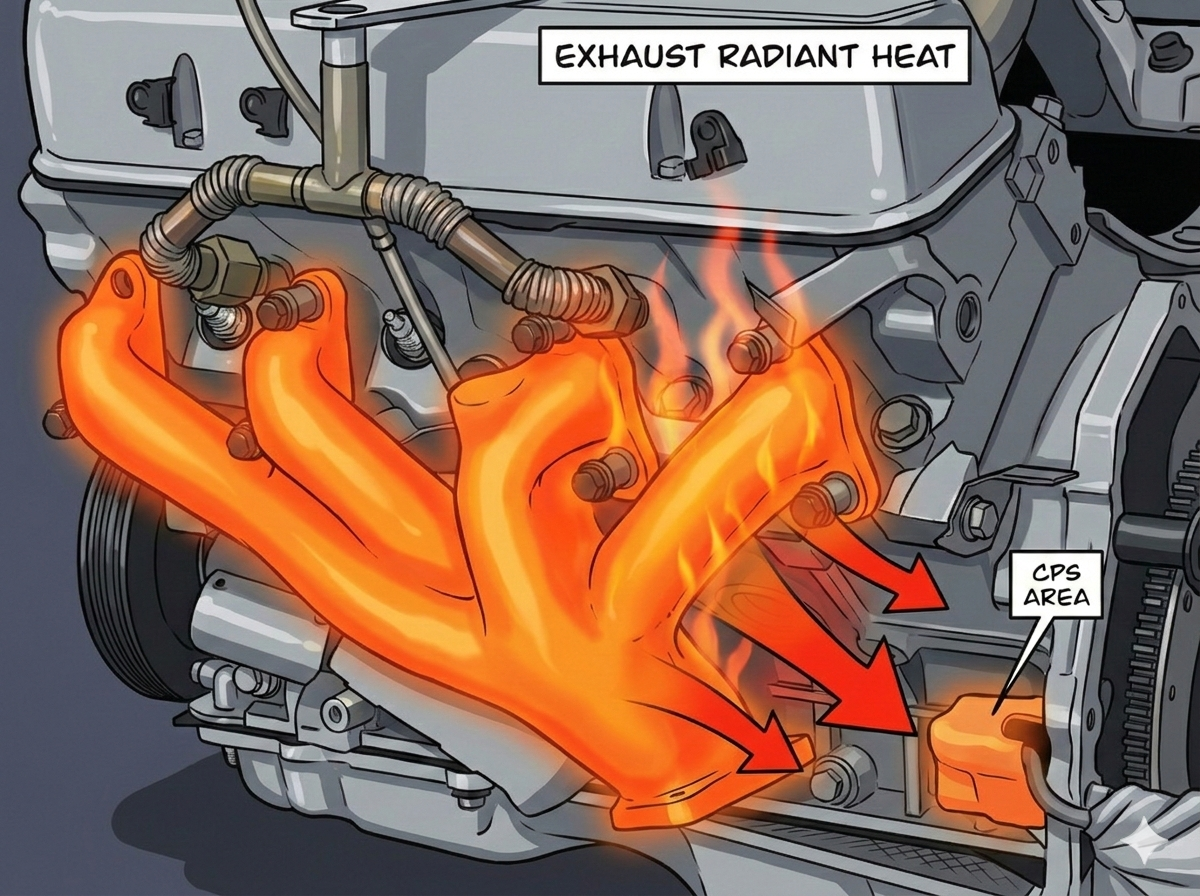
These failures often start as a "hot start" problem—where the engine cranks but won't fire right after shutdown—before getting worse. Here's why it shows up that way in a typical drive:
- You start the truck cold: No problem, it fires right up.
- While driving: Air flows around the engine from the cooling fan and vehicle motion, keeping the CKPS slightly cooler.
- When you stop and turn it off: That airflow stops, but the heat from the exhaust manifolds and catalytic converter keeps blasting infrared rays. Over time, these repeated thermal cycles break down the insulation on the sensor's internals—it starts failing only when hot, then eventually quits completely (hot or cold).
Here's some interesting details on the physics:
CKPS- Wear from Constant Heating and Cooling: Every time you drive, things heat up dramatically. Then they cool down overnight. Over years and tens of thousands of miles, this repeated expand-and-contract cycle fatigues materials—like bending a paperclip back and forth until it finally snaps. For the CKPS, this stress cracks internal components and wiring until the sensor stops sending a reliable signal. Often it starts as an intermittent hot-no-start issue... then becomes permanent.
Without a shield that truly blocks and reflects this radiant heat, your CKPS is taking daily punishment it was never designed to handle long-term.
The Factory Shield's Fatal Flaws
Land Rover used a fiberglass cover painted silver on the outside to reflect some radiant energy. Sounds good in theory, but there are some fatal flaws. First, some physics:
Turns out color and materials have different infrared reflective properties. Most people have observed this. Black colors absorb IR, light colors reflect. Black cars are hotter inside and out than silver or white ones. This is why Land Rover painted the cover silver. Also colors have different emissive properties. Black colors emit more heat when hot than lighter colors. Again, that black dashboard feels hotter than a tan one because it is emitting the heat back at you. One more interesting bit, materials have different absorption and emission properties. Metals absorb less and emit less, than ceramics/glass (fiberglass). Interesting tidbit, Aluminum reflects 98% of IR, only emits 2% of anything it absorbs.
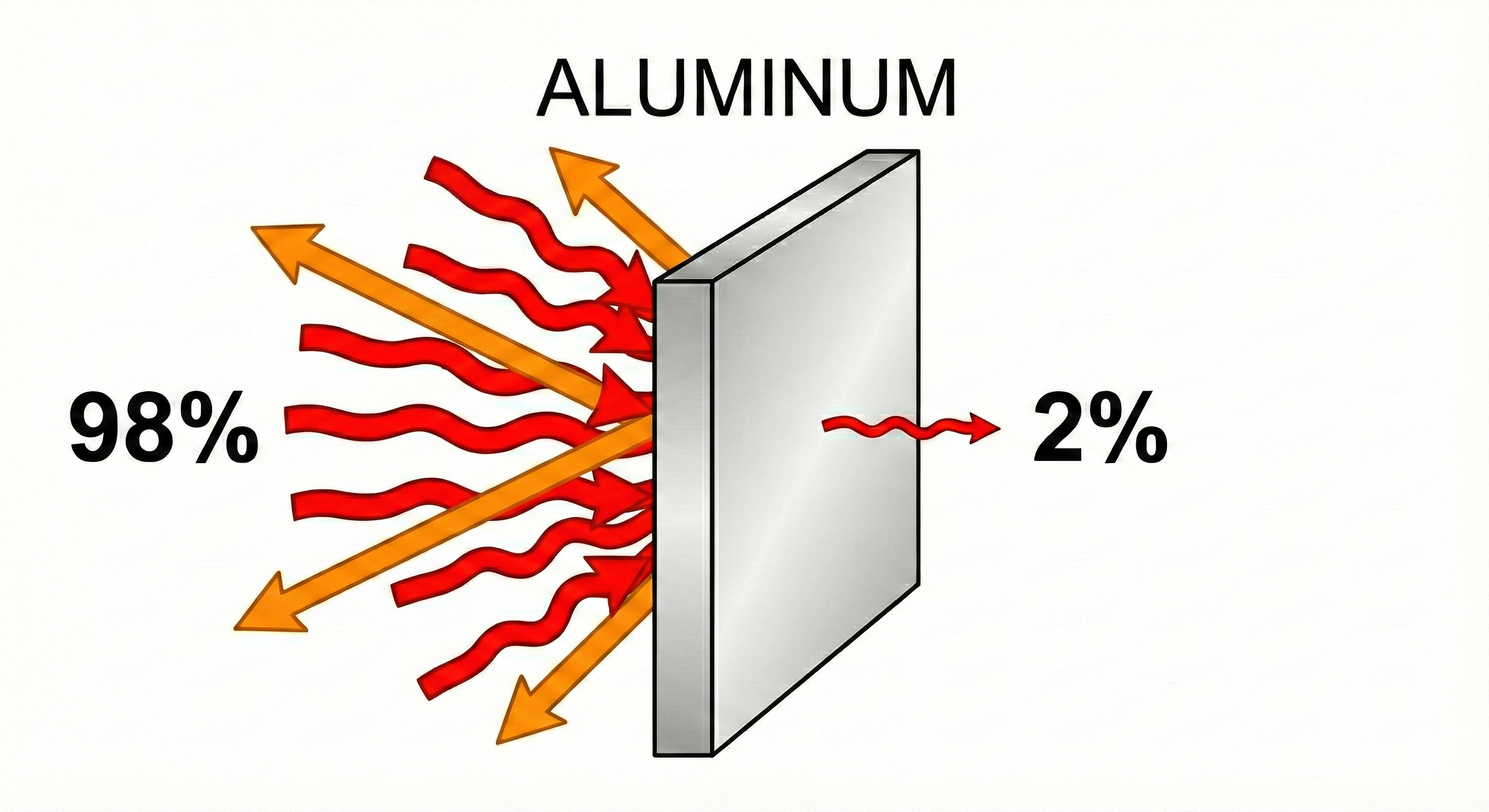
Now to the CkPS factory shield fatal flaws:
- There's no protective coating or paint on the inside surface, so even early on, it re-radiates heat straight to the sensor. Its black ceramic (fiberglass), so whatever temperature it gets to it radiates 98% to the CkPS.
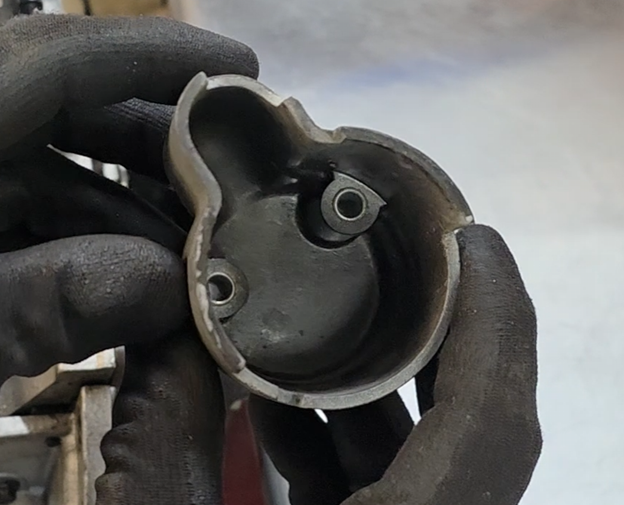
- Over time (often 100k–150k miles), the silver paint on the shield burns off from manifold heat.
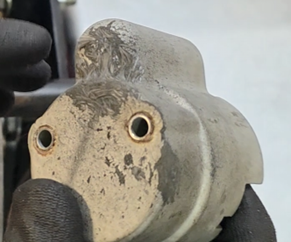
- Once exposed, the raw fiberglass degrades and crumbles under continued radiation.
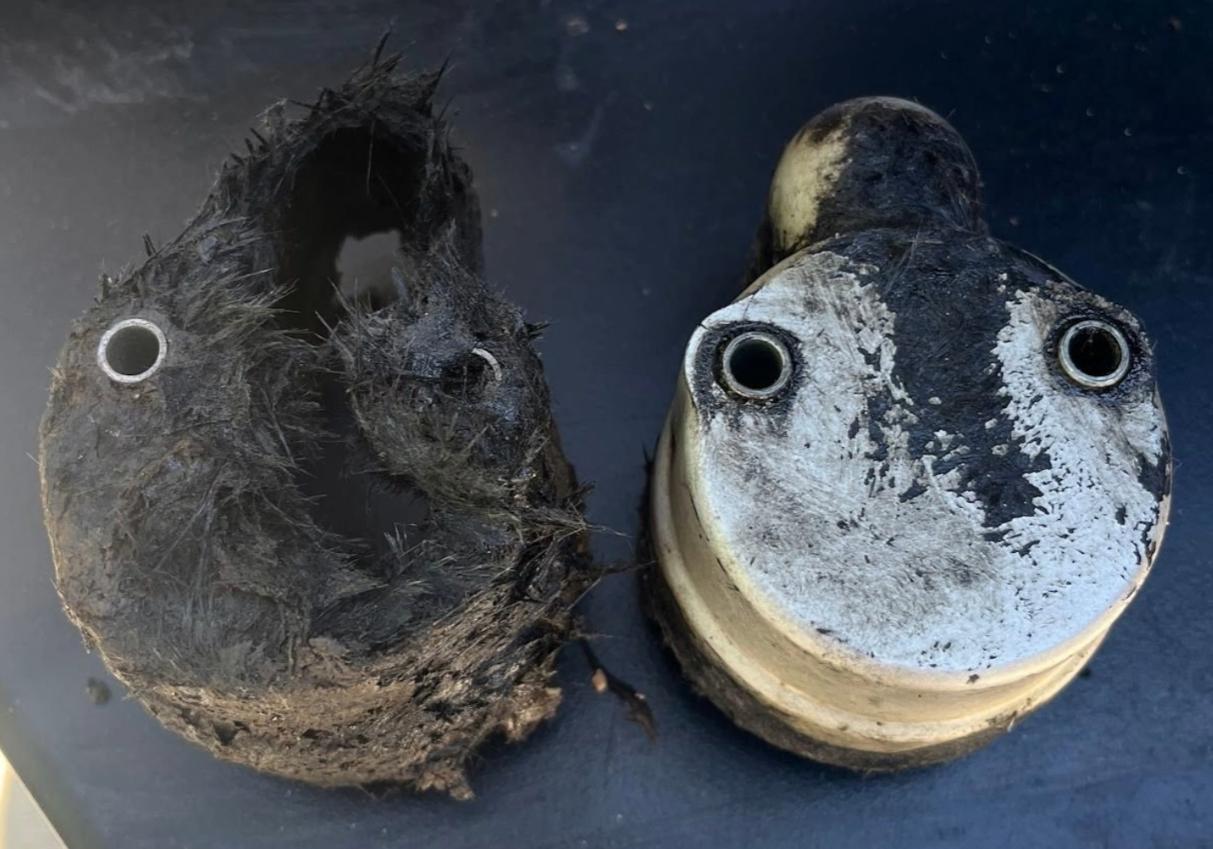
- On top of this normal degradation, the famous land rover valve cover leaks drip oil down on the cover. The eliminates the reflective properties of the paint, dissolve the paint faster as the oil is heated, and then dissolve the fiberglass resin.
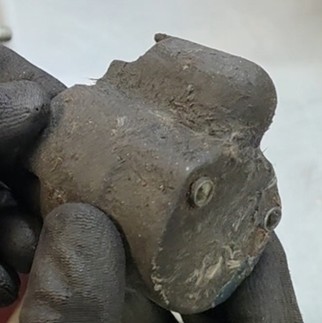
Temporary Fixes: Why Foil Wrapping Isn't Enough
I introduced the Land Rover community to the concept of wrapping the factory shield in aluminum foil via the forums. And it works, for a while.
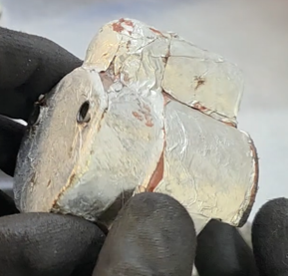
- Foil reflects radiant heat well and buys time.
- Pro tip: Wrap both inside and outside, using high-temp red RTV silicone to hold it in place and seal edges.
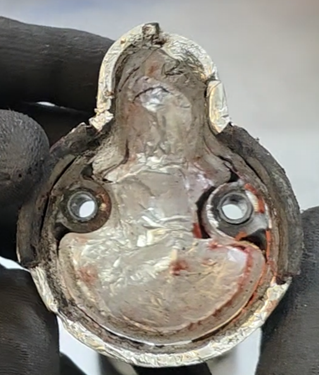
But foil tears easily during future service, oxidizes, and doesn't stay put long-term. Its only a semi-permanent solution—and if your original shield is already too far gone or covered in oil it can be very difficult to get the foil to stick.
The Permanent Solution: An Aluminum sensor cover that reflects almost all the heat and won’t degrade over time.
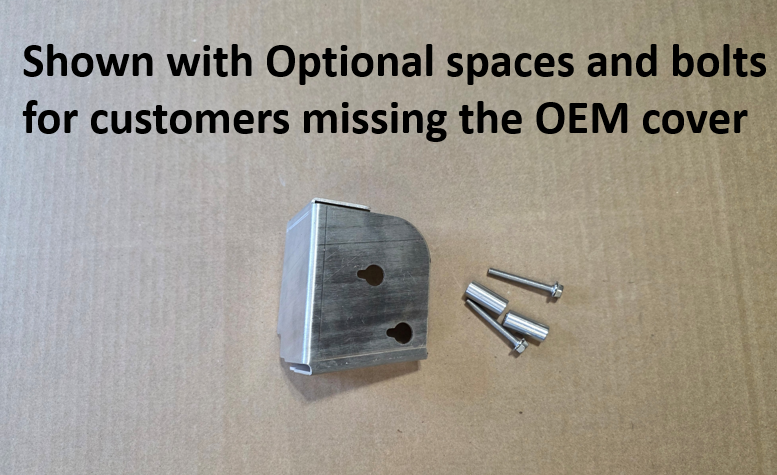
Install is stupid simple. Loosen the two factory nuts, slip our cover on the heads and tighten. Or, if the factory cover is missing just order the cover with the optional stainless bolts and spacers and thread them in the factory holes and then slip the new cover over, works the same.
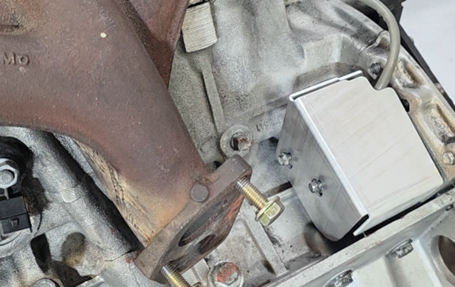
Want to see the actual install? Jump straight to that part of the video here.
If you’re are worried about finding it under the truck, here are some photos to help you locate it.
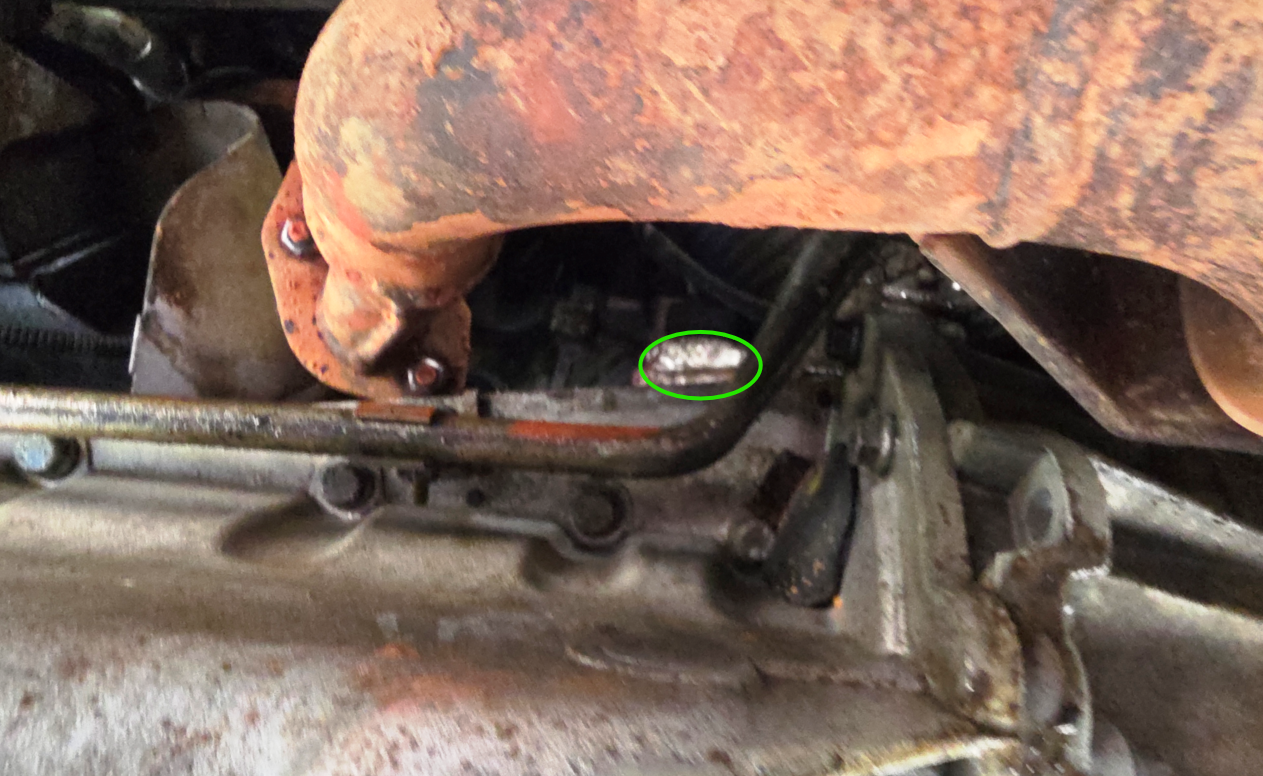
Top 10 Reasons Our Aluminum CKPS Heat Shield is a Giant Reliability Upgrade.
We designed this shield from 5052 aluminum sheet for maximum durability and heat reflection. Here's why thousands will choose it (just like they trusted our other underhood solutions):
- Zero Deterioration – Aluminum won't degrade from heat, UV, or age—permanent protection.
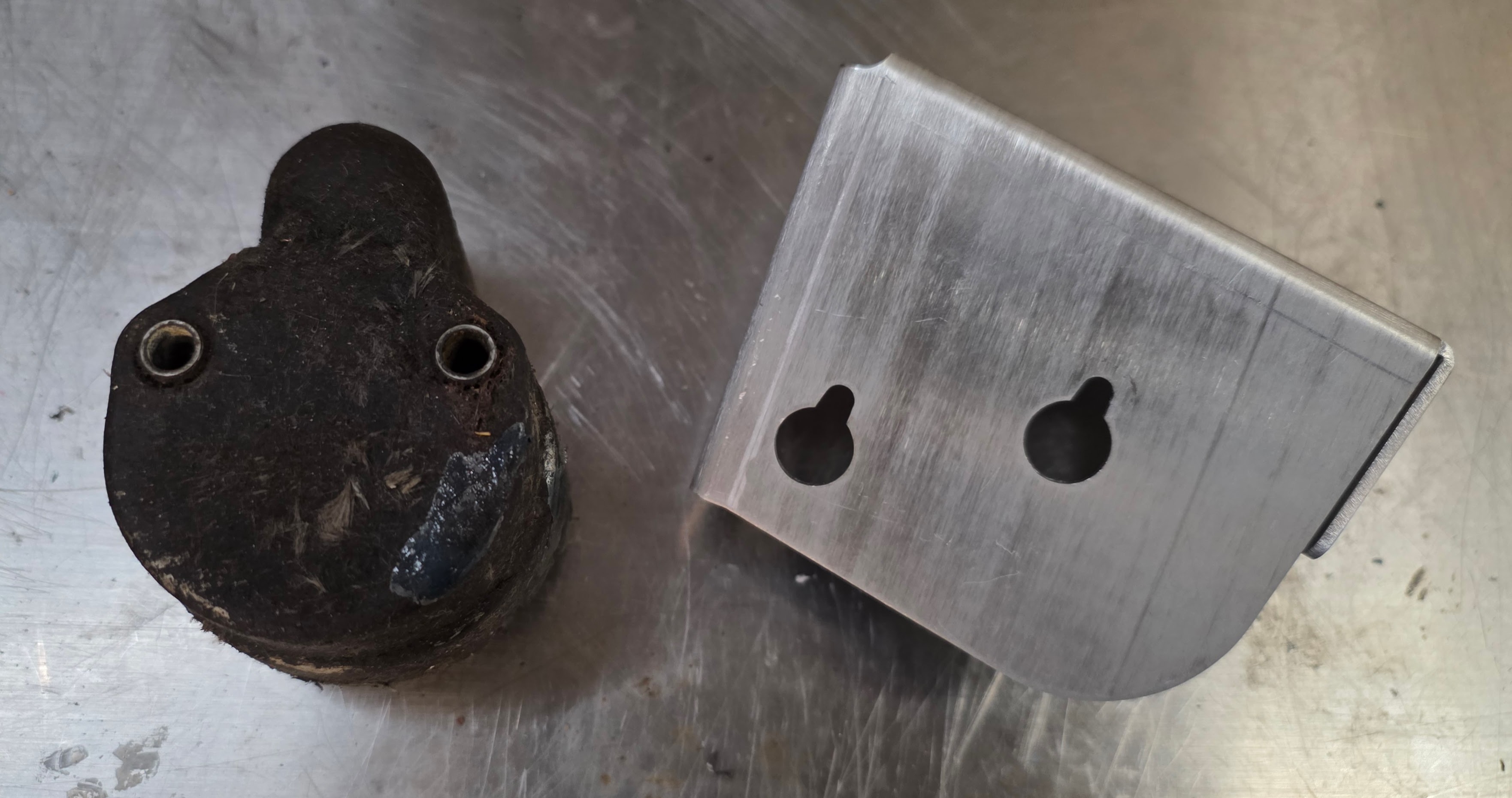
- Superior Heat Reflection – 98% reflectivity, only 2% re-radiation to the sensor.
- Works With or Without Factory Shield – Install over your existing (even damaged) cover or directly if it's missing.
- Unaffected by mud or rain and resistant to even road salt.
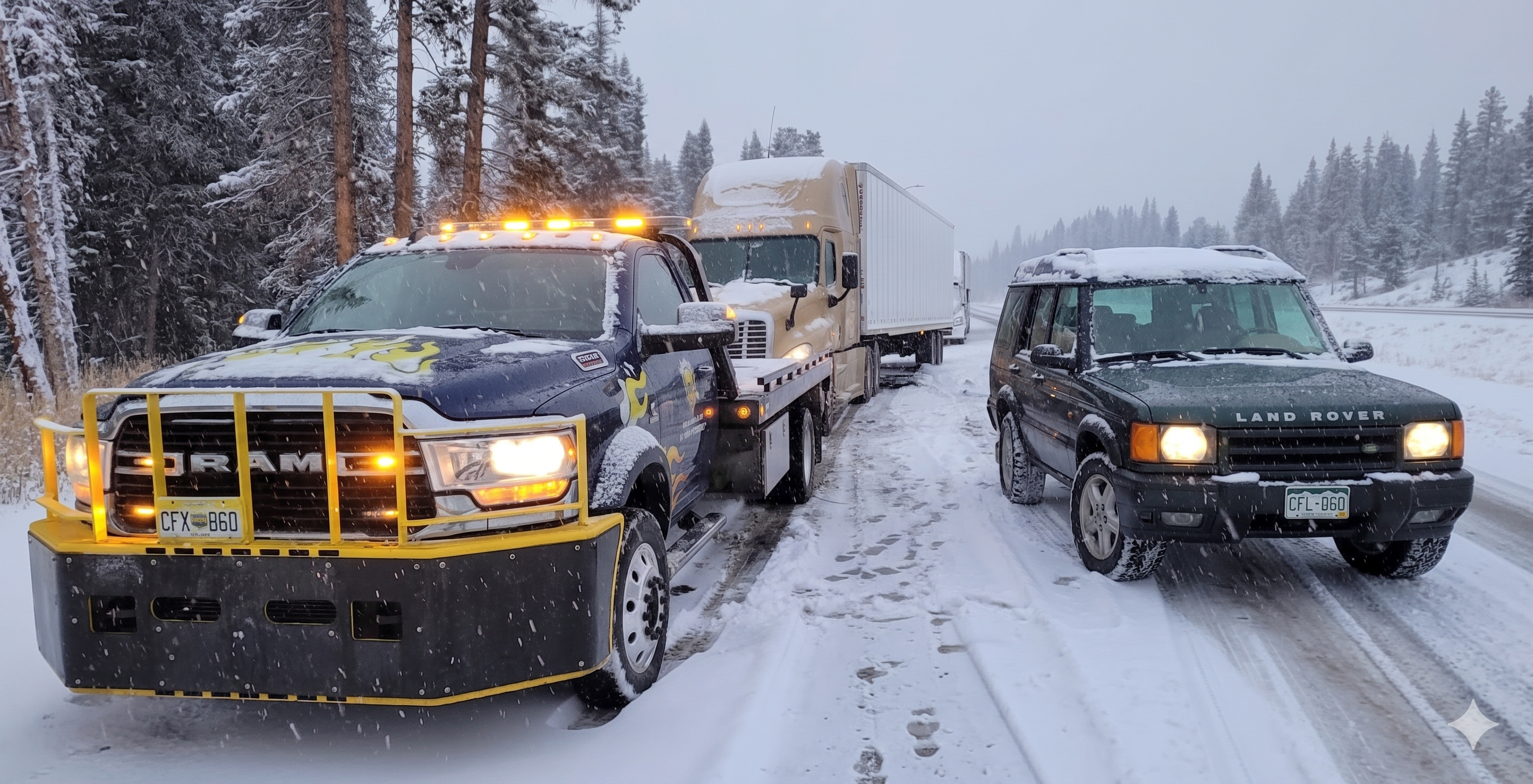
- No Bolt Removal Needed – Slip it over existing bolt heads and tighten—5-minute job.
- No Sensor Removal Required – Zero risk of damaging wiring or alignment.
- Oil Leak Proof – Shrugs off the valve cover oil drips common on LR V8s.
- Precision Fit – CNC-formed specifically for Discovery 2—snug, rattle-free, and OEM-look.
- Peace of Mind for Life – Backed by our commitment to keeping D2s on the road (or trail). (Lifetime warranty)

- Prevents Costly CKPS Failure – Eliminate the top sudden no-start causes on the Bosch/Thor Land Rover V8.
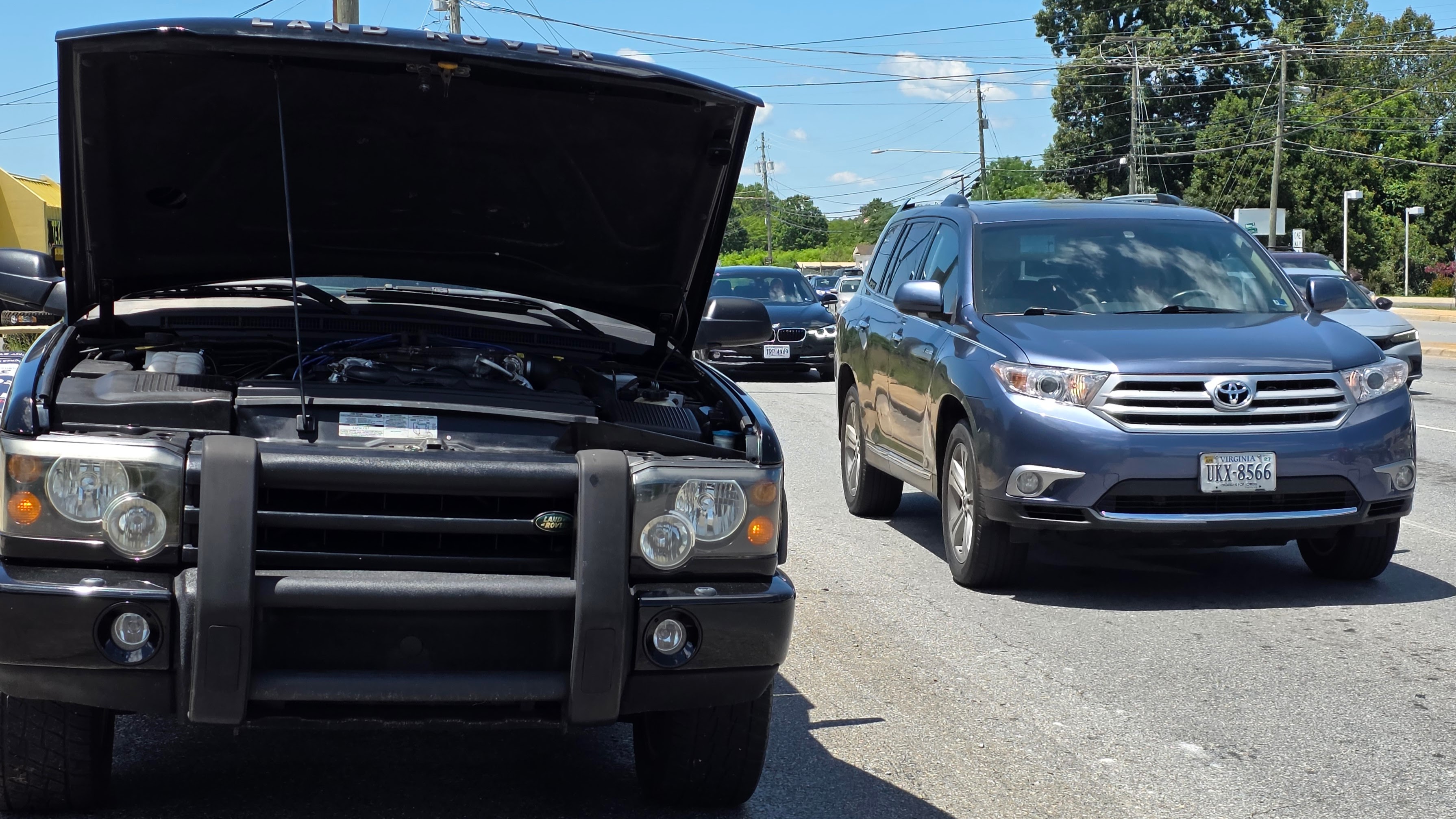
Optional stainless hardware available for clean installs when the original shield is completely gone.
Ready to protect your D2's heartbeat? Grab the new Aluminum CkPS Heat Shield Cover today and end radiant heat worries for good.